The moment the lights dim and the orchestra swells, a powerful story begins to unfold. But even before the first note, the visual identity of a phenomenon like Hamilton already speaks volumes. Just as a single note can carry immense emotion, a thoughtfully designed logo can encapsulate an entire universe of themes, history, and ambition. Understanding the Symbolism & Hidden Meanings of the Hamilton Logo offers a deeper appreciation for the meticulous artistry behind this groundbreaking musical, revealing how graphic design, much like storytelling, can layer narrative and connection into every detail.
At a Glance: Key Takeaways
- Company and brand logos are vital visual shorthand, often embedding subtle "Easter eggs" or deeper messages to foster connection and convey brand essence.
- The Hamilton logo, like the musical itself, is a masterclass in conveying complex themes—ambition, nation-building, urgency, and legacy—through visual elements.
- Key symbolic elements often found in the Hamilton logo include a stylized star (representing destiny, aspiration, and the birth of a nation), bold typography (signifying strength and historical weight), and a deliberate color palette (evoking patriotism and intensity).
- Hidden meanings in logos encourage deeper engagement, reward closer inspection, and reinforce core brand values without explicit declaration.
- Analyzing logo symbolism invites us to consider the intricate thought process behind visual branding, linking aesthetics directly to narrative and purpose.
More Than Just a Name: Why Logos Speak Volumes
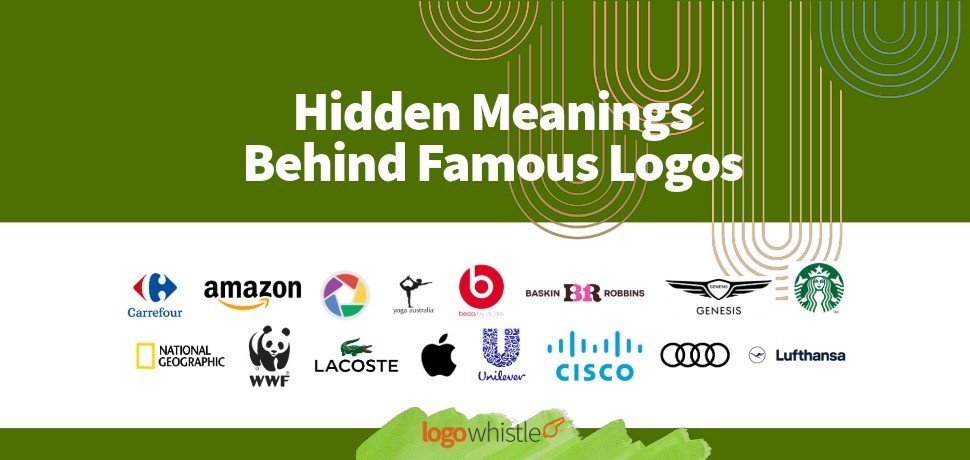
Think about your favorite brands. What comes to mind isn't just a name, but an image – a symbol that triggers recognition, evokes emotion, and even reminds you of experiences. Company logos are far more than mere decorative elements; they are vital components of brand identity, meticulously crafted to communicate deeper messages. As noted in analyses of top company logos, these designs often contain "hidden meanings" or subtle "Easter eggs" intended to foster brand connection, increase engagement, and help a brand stand out in a crowded landscape. Whether it's the arrow subtly integrated into the FedEx logo, symbolizing speed and precision, or the bear hidden within Toblerone's mountain, representing its city of origin, these visual narratives invite observers to pay closer attention, revealing additional layers of story.
In the world of entertainment, particularly for a cultural touchstone like Hamilton, the logo carries an even heavier burden. It must distill the essence of a sprawling narrative, a complex historical figure, and a revolutionary artistic vision into a single, memorable graphic. It's a testament to the power of design that it can achieve such depth.
The Hamilton Phenomenon: A Legacy in Motion
Lin-Manuel Miranda's Hamilton isn't just a musical; it's a cultural phenomenon that has redefined how we engage with American history. Inspired by Ron Chernow's biography of Alexander Hamilton, Miranda identified profoundly with Hamilton's "endless uphill fight," a theme that resonates deeply throughout the narrative. From his humble beginnings as a "bastard, orphan, son of a whore" to becoming a Founding Father, the first US Secretary of the Treasury, and George Washington's indispensable right hand, Hamilton's story is one of relentless ambition and a pervasive sense of "running out of time."
The musical masterfully uses hip-hop—a modern, dynamic language—to narrate historical events, much like Shakespeare employed common speech to make his narratives accessible and impactful. Furthermore, its groundbreaking diverse casting, featuring actors of color as the Founding Fathers, boldly asserts that the nation's inheritance belongs to all. This emphasis on forging one's own path, the power of words (Hamilton's prolific writing of the Federalist Papers is a central motif), and the building of a diverse nation are the thematic bedrock upon which the entire Hamilton brand, including its logo, stands. It's a narrative that shifts from the Capricornian ambition of nation-building to the Cancerian embrace of family and emotional truth, as seen in Eliza Hamilton's eventual stewardship of his legacy. This rich tapestry of themes provides fertile ground for symbolic expression within its visual identity.
Decoding the Iconic Hamilton Logo
When we look at the official logo that represents Hamilton: An American Musical, we're not just seeing a title; we're witnessing a carefully constructed visual narrative that mirrors the musical's core tenets. To truly appreciate the design, let's break down its most prominent features.
The Guiding Star: Ambition, Destiny, and a Nation's Birth
Perhaps the most immediately recognizable element associated with the Hamilton brand is the stylized star. Often appearing as a central motif or integrated into the typography, this star is far from a generic embellishment. Its presence speaks to multiple layers of symbolism:
- Aspiration and Ambition: Alexander Hamilton was a man driven by an almost superhuman ambition, constantly striving for more, for greatness. The star, a universal symbol of aspiration, dreams, and reaching for the heavens, perfectly encapsulates his relentless climb from obscurity to power.
- Destiny and Manifestation: Throughout the musical, there's a recurring sense of Hamilton's singular destiny, his conviction that he was meant for something significant. The star often signifies fate, a guiding light, or a predestined path, reflecting this powerful narrative thread.
- Birth of a Nation: Beyond individual ambition, the star is undeniably an American symbol. It represents the nascent United States, a new nation forged from revolution. The single, prominent star might evoke the idea of a single, unifying vision, or the individual "star" figures (like Hamilton) who shaped its earliest days. It’s a powerful shorthand for patriotism and the foundational ideals of America.
- "My Shot": The star also subtly nods to the musical's pervasive theme of seizing opportunity, taking "your shot" at greatness—an idea profoundly linked to Hamilton's own trajectory.
The Bold Typeface: Strength, Authority, and Historical Resonance
The typography chosen for the Hamilton logo is anything but accidental. It typically features strong, assertive letterforms that convey a sense of historical gravitas while maintaining a modern edge.
- Authority and Significance: The bold, often slightly condensed, lettering projects an image of strength and importance. This isn't a whimsical script; it's a declaration. It emphasizes the weight of the historical figures and events portrayed in the musical, asserting their enduring impact.
- Founding Era Aesthetics (with a Twist): While not a direct replication of 18th-century script, the typeface often carries an echo of classical or neoclassical fonts, subtly connecting it to the era of the Founding Fathers. However, its clean lines and modern execution prevent it from feeling dated, reflecting the musical's innovative blend of historical narrative with contemporary hip-hop. This design choice mirrors Lin-Manuel Miranda's approach to the text itself, honoring the past while firmly planting it in the present.
- The Power of the Pen: Given Hamilton's extraordinary talent as a writer—his words shaped a nation, from the Federalist Papers to countless letters and documents—a strong, legible typeface also subtly champions the power of the written word itself. It suggests clarity, conviction, and the indelible mark left by Hamilton's prolific pen.
The Color Palette: Patriotism, Urgency, and Depth
While the logo's colors can vary across different applications (e.g., posters, digital media), the core palette often draws from a specific range that evokes the musical's spirit.
- Red, White, and Blue (or their derivatives): Unsurprisingly, colors that evoke the American flag—deep blues, rich reds, and crisp whites—are frequently employed. These colors are immediate signifiers of patriotism, revolution, and the national identity at the heart of the story. They create an immediate connection to the historical context.
- Gold or Muted Metallic Accents: Sometimes, a touch of gold or a muted metallic tone might be present, adding a sense of prestige, importance, and historical richness, akin to aged parchment or gilded frames. This subtle sheen elevates the logo, lending it a timeless, almost monumental quality.
- Theatrical Drama: Beyond overt patriotism, the colors are often chosen to convey a sense of drama and urgency. The deeper blues can suggest seriousness and gravitas, while reds can speak to passion, conflict, and the revolutionary spirit. This palette isn't just descriptive; it's evocative of the high stakes and emotional intensity within the show.
Beyond the Obvious: Subtlety and Hidden Depth
The true genius of a logo, much like a compelling narrative, often lies in what it communicates without explicitly stating it. Designers, much like playwrights, embed layers of meaning that reward repeated engagement. This approach aligns perfectly with the observation that many successful company logos hide subtle meanings to engage audiences and build deeper connections. For instance, the negative space in the Carrefour logo cleverly forms a 'C' while also depicting two arrows, symbolizing "intersection" in French and forward movement. This kind of visual pun or clever integration elevates a simple mark into a story. Exploring the impact of branding often reveals how these subtle cues shape consumer perception.
Crafting Narrative Through Design: Why It Matters
For Hamilton, these subtle design choices aren't just aesthetic; they are extensions of the storytelling. They:
- Reinforce Core Themes: Every line, every curve, every color choice should echo themes like ambition, legacy, the struggle for identity, and the forging of a nation.
- Invite Deeper Engagement: When an audience notices a hidden detail, it creates a sense of discovery and ownership, deepening their connection to the brand. It’s like finding a clever lyric you hadn't caught before.
- Stand Apart: In a crowded cultural landscape, a logo with thoughtful, layered symbolism helps Hamilton maintain its unique, iconic presence. It signals that this is a production of depth and intelligence, much like the musical itself.
Echoes of "Running Out of Time": How Urgency Might Be Conveyed
The theme of "running out of time" is a powerful undercurrent in Hamilton. While not explicitly depicted, subtle design choices could reinforce this urgency:
- Dynamic Angles: A slightly upward or forward tilt to certain elements, or sharp, decisive angles, can suggest forward momentum and a sense of haste.
- Contrast and Energy: High contrast between elements or a vibrant, energetic feel to the design can subconsciously evoke the fast-paced, high-stakes nature of Hamilton's life.
- Sparse Elegance: A clean, uncluttered design, focusing on essential elements, can sometimes convey efficiency and a lack of wasted motion, echoing the drive to accomplish much in limited time.
A Tapestry of Identities: Reflecting the Diverse Cast and Themes
Hamilton's revolutionary casting choice—featuring actors of color as the Founding Fathers—is a profound statement about who owns the narrative of America. While the logo may not explicitly depict diverse figures, its design choices can subtly reflect this ethos:
- Universality: A classic, strong design transcends specific demographics, signaling that the story and its themes are universal and belong to everyone.
- Modernity with Respect for History: The blend of classic and contemporary design elements in the typeface or overall composition can symbolize the bridging of historical narratives with modern, inclusive perspectives. It represents the idea that history is a living, breathing thing, constantly being reinterpreted and re-claimed by new voices.
- Bold Inclusivity: The unapologetic strength of the logo's visual presence can be seen as mirroring the musical's bold, inclusive reimagining of American history.
The Art of Visual Storytelling: Lessons from Logos
The analysis of the Hamilton logo, like many other iconic visual identities, offers valuable insights into the broader principles of effective logo design. From the 'b' in Beats resembling headphones to the interwoven 'L' and 'O' forming a conductor in the London Symphony Orchestra logo, intelligent design speaks volumes without uttering a word. Understanding the logo design process reveals that these aren't happy accidents, but deliberate choices.
Branding as Conversation: Engaging the Audience
A logo is often the first point of contact between a brand and its audience. A well-designed logo initiates a conversation, inviting curiosity and connection. By embedding deeper meanings, designers ensure that this conversation can continue long after the initial glance, fostering a richer, more enduring relationship. This is crucial for a property like Hamilton, which aims for deep, lasting resonance.
Memory and Recognition: Why Logos Stick
The human brain processes images far faster than text. A distinctive, meaningful logo becomes a powerful mnemonic device. The simplicity and symbolic richness of a logo like Hamilton's ensures it is instantly recognizable and easily recalled, cementing its place in the public consciousness. This immediate recognition is vital for marketing, merchandising, and overall brand recall. The power of visuals in brand identity cannot be overstated.
The Unseen Influence: Subconscious Messaging
Much of a logo's power operates on a subconscious level. Viewers may not consciously register every hidden meaning or symbolic nuance, but these elements contribute to an overall feeling or impression. The strength, aspiration, and historical resonance embedded in the Hamilton logo subtly shape our perception of the musical, preparing us for the epic tale we are about to experience.
Common Questions About Logo Symbolism
Deciphering logo meanings often leads to interesting questions. Here are a few common ones:
Is Every Design Choice Symbolic?
Not every single line or pixel in a logo carries a profound, hidden meaning. Some elements are purely functional—chosen for legibility, aesthetic balance, or adherence to design best practices. However, in expert-crafted logos for major brands or cultural phenomena like Hamilton, the most prominent elements (colors, fonts, central icons) are almost always infused with intentional symbolism. Good designers are strategic about where they embed these deeper messages.
Can Logo Meanings Change Over Time?
Absolutely. While a logo's original intent remains, its meaning can evolve as the brand itself changes, or as cultural contexts shift. For Hamilton, the logo's core symbolism around ambition and nation-building will likely endure, but interpretations might deepen as the musical's legacy grows or as new audiences engage with its themes from different perspectives. Logos can become richer symbols through sustained cultural relevance.
How Do Designers Embed Hidden Messages?
Designers use several techniques to embed subtle meanings:
- Negative Space: Utilizing the empty space around or within elements to form another image (like the arrow in FedEx).
- Figurative Representation: Abstractly representing a concept or object (e.g., a mountain for challenges in Adidas, though note that the BMW logo's quadrants are Bavaria's flag, not a propeller, as commonly thought).
- Typographic Play: Cleverly forming images or numbers within letters (e.g., the '31' in Baskin Robbins).
- Color Psychology: Using colors known to evoke specific emotions or associations (e.g., red for passion, blue for trust).
- Iconic References: Incorporating widely recognized symbols that relate to the brand's story (e.g., the Nike swoosh representing a goddess's wing).
Your Turn to Look Closer: Appreciating Design's Deeper Layers
The next time you encounter the Hamilton logo, whether on a poster, a t-shirt, or a digital banner, take a moment to look beyond its immediate appeal. Consider the star, the typeface, the colors. Think about the ambition of Alexander Hamilton, the urgency of his story, and the revolutionary spirit of the musical itself. You'll find that these visual elements are not merely decorative but are active participants in the storytelling, silently affirming the powerful narrative that has captivated millions. Explore the Hamilton logo more deeply, and you'll discover that appreciating the intricate layers of symbolism in design offers a richer, more rewarding experience, reminding us that even in a world of complex narratives, sometimes the most profound messages are conveyed in a single, powerful image.